
Introduction
Every business needs customers to survive and grow. However, finding potential customers and converting them into paying clients is one of the biggest challenges businesses face today. This is where Lead Generation Services play a crucial role.
Lead generation is the process of attracting, engaging, and converting potential customers who have shown interest in a product or service. Effective lead generation helps businesses build a steady pipeline of prospects, increase sales opportunities, and achieve long-term growth.
In today’s highly competitive digital landscape, businesses cannot rely solely on traditional marketing methods. Modern consumers conduct research online before making purchasing decisions. Therefore, companies must use strategic lead generation techniques to capture customer attention and guide them through the buying journey.
This comprehensive guide explains everything you need to know about Lead Generation Services, their benefits, strategies, tools, and how they can help businesses achieve sustainable growth.
Table of Contents
What Are Lead Generation Services?
Lead Generation Services are marketing solutions designed to attract potential customers and collect their contact information for future communication. These services help businesses identify individuals or organizations interested in their products or services.
A lead generation service provider uses various marketing channels to generate high-quality leads, including:
- Search Engine Optimization (SEO)
- Content Marketing
- Social Media Marketing
- Email Marketing
- Pay-Per-Click Advertising (PPC)
- Landing Pages
- Lead Magnets
- Marketing Automation
The goal is not just to generate traffic but to attract qualified prospects who are more likely to become customers.
Why Lead Generation Is Important
Lead generation serves as the foundation of business growth. Without a consistent flow of leads, businesses may struggle to maintain revenue and expand operations.
Increases Sales Opportunities
Generation of leads provides businesses with a steady stream of potential customers. More leads create more opportunities for sales conversions.
Improves Business Growth
Consistent generation of leads helps businesses scale their operations by continuously attracting new prospects.
Enhances Brand Awareness
Lead generation campaigns expose businesses to larger audiences, increasing visibility and recognition.
Builds Customer Relationships
By nurturing leads through personalized communication, businesses can establish trust and credibility.
Increases Marketing ROI
Targeted lead generation strategies focus on qualified prospects, resulting in better conversion rates and improved return on investment.
Understanding Different Types of Leads
Not all leads are the same. Understanding lead categories helps businesses prioritize their marketing and sales efforts.
Marketing Qualified Leads (MQLs)
These are prospects who have shown interest in your business through actions such as downloading an eBook, subscribing to a newsletter, or engaging with content.
Sales Qualified Leads (SQLs)
SQLs have demonstrated a stronger buying intent and are ready for direct sales communication.
Product Qualified Leads (PQLs)
These leads have experienced a product through a free trial or demo and are likely to convert into paying customers.
Service Qualified Leads
These are existing customers who have expressed interest in upgrading or expanding their services.
How Lead Generation Services Work
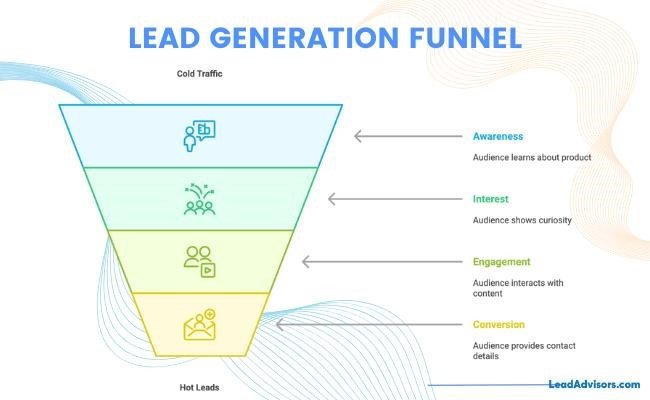
Generation of leads follows a structured process:
Step 1: Attract Visitors
Businesses use SEO, content marketing, social media, and paid advertising to drive traffic.
Step 2: Capture Lead Information
Visitors provide contact details through forms, subscriptions, downloads, or inquiries.
Step 3: Qualify Leads
Collected leads are evaluated based on their level of interest and likelihood to purchase.
Step 4: Nurture Leads
Businesses engage prospects through emails, content, and personalized communication.
Step 5: Convert Leads
Qualified leads are guided toward making a purchase decision.
Benefits of Professional Lead Generation Services
Access to Expertise
Lead generation agencies have specialized knowledge and experience in attracting qualified prospects.
Time Savings
Businesses can focus on core operations while experts handle lead acquisition.
Better Targeting
Professional services use advanced targeting techniques to reach ideal customers.
Scalable Growth
Lead generation campaigns can be adjusted based on business goals and market conditions.
Higher Conversion Rates
Strategic lead nurturing improves the likelihood of converting prospects into customers.
Best Lead Generation Strategies
Search Engine Optimization (SEO)
SEO is one of the most effective long-term lead generation strategies. By optimizing website content for relevant keywords, businesses can attract organic traffic from search engines.
Benefits include:
- Increased website visibility
- Higher search rankings
- Consistent lead flow
- Improved brand credibility
Content Marketing
Creating valuable content helps attract and educate potential customers.
Popular content formats include:
- Blog posts
- eBooks
- Whitepapers
- Case studies
- Videos
- Infographics
Quality content positions businesses as industry authorities and encourages users to share contact information.
Social Media Marketing
Social media platforms provide excellent opportunities for generating leads.
Businesses can:
- Share engaging content
- Run lead generation campaigns
- Promote webinars
- Build communities
- Interact with potential customers
Platforms such as LinkedIn, Facebook, Instagram, and YouTube are commonly used for generating leads.
Pay-Per-Click Advertising (PPC)
PPC advertising delivers immediate visibility and traffic.
Popular PPC platforms include:
- Google Ads
- Facebook Ads
- LinkedIn Ads
- Instagram Ads
Businesses only pay when users click on their advertisements, making PPC highly measurable and scalable.
Email Marketing
Email marketing remains one of the most effective lead nurturing channels.
Benefits include:
- Personalized communication
- Automated campaigns
- Higher engagement rates
- Strong ROI
Regular email communication helps maintain relationships and move prospects through the sales funnel.
The Importance of Landing Pages
Landing pages play a critical role in lead generation.
A well-designed landing page should include:
- Clear headline
- Compelling offer
- Simple form
- Strong call-to-action
- Trust indicators
- Mobile-friendly design
Effective landing pages increase conversion rates by focusing visitors on a single objective.
Lead Magnets That Generate Results
Lead magnets are incentives offered in exchange for contact information.
Popular lead magnets include:
- Free eBooks
- Checklists
- Templates
- Free consultations
- Webinars
- Industry reports
- Free trials
Providing valuable resources encourages users to share their information willingly.
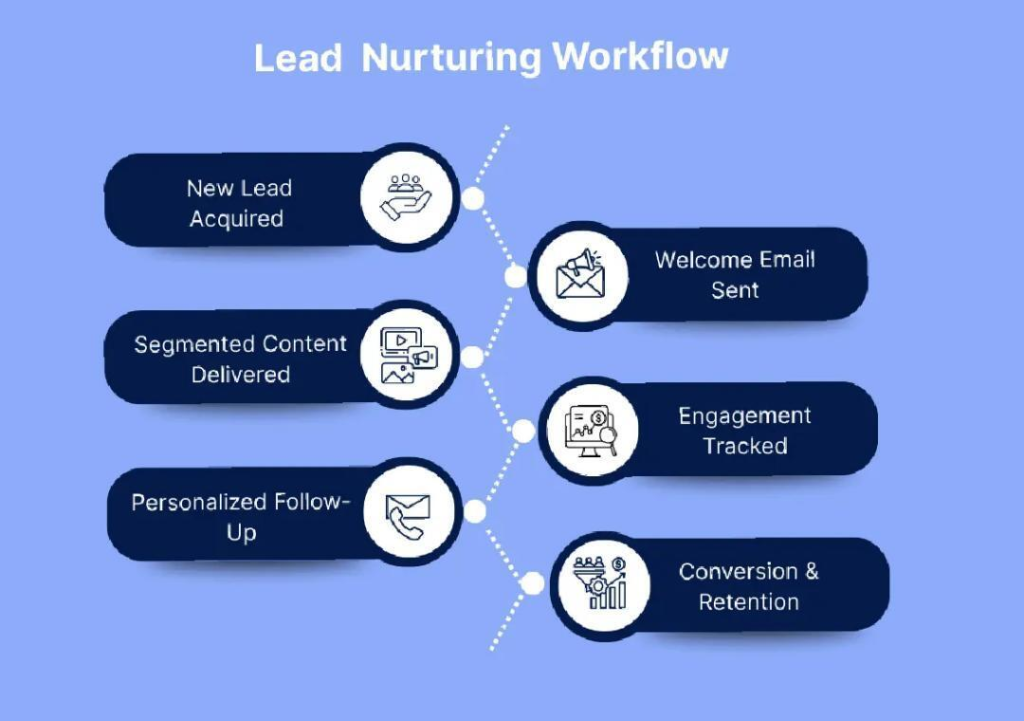
Lead Nurturing Strategies
Generating leads is only the first step. Businesses must nurture prospects until they are ready to buy.
Effective lead nurturing techniques include:
Personalized Emails
Tailored communication improves engagement and trust.
Educational Content
Providing valuable information helps prospects solve problems and make informed decisions.
Retargeting Campaigns
Retargeting ads remind prospects about your products or services after they leave your website.
Marketing Automation
Automation tools streamline communication and maintain consistent engagement.
Common Challenges in Lead Generation
Poor Lead Quality
Generating large numbers of leads does not guarantee success. Quality matters more than quantity.
Weak Follow-Up Processes
Delayed responses can cause businesses to lose potential customers.
Inadequate Targeting
Reaching the wrong audience reduces campaign effectiveness.
Lack of Analytics
Without performance tracking, businesses cannot optimize campaigns effectively.
Measuring Lead Generation Success
Key performance indicators include:
- Number of Leads Generated
- Cost Per Lead (CPL)
- Conversion Rate
- Lead Quality Score
- Customer Acquisition Cost (CAC)
- Return on Investment (ROI)
Regular analysis helps businesses improve campaign performance and maximize results.
Top Lead Generation Tools for Businesses
Technology has made leads more efficient than ever. Businesses can use various tools to automate processes, track customer behavior, and improve conversions.
Customer Relationship Management (CRM) Tools
CRM software helps businesses organize and manage leads throughout the sales funnel.
Popular CRM tools include:
- HubSpot CRM
- Salesforce
- Zoho CRM
- Pipedrive
- Freshsales
Benefits of CRM systems include:
- Better lead tracking
- Improved customer communication
- Automated workflows
- Detailed reporting and analytics
Email Marketing Platforms
Email marketing tools help businesses nurture leads through personalized campaigns.
Popular platforms include:
- Mailchimp
- ConvertKit
- ActiveCampaign
- Brevo
- GetResponse
These tools allow businesses to automate emails, segment audiences, and monitor campaign performance.
Landing Page Builders
Landing page builders simplify the process of creating high-converting pages.
Examples include:
- Unbounce
- Leadpages
- Instapage
- Elementor
- ClickFunnels
Marketing Automation Tools
Marketing automation improves efficiency by reducing manual work.
Common automation features include:
- Lead scoring
- Email automation
- Customer segmentation
- Behavioral tracking
- Workflow management
B2B vs B2C Lead Generation
Lead generation strategies differ depending on whether a business targets other businesses (B2B) or individual consumers (B2C).
B2B Lead Generation
B2B businesses often focus on generating leads through:
- LinkedIn marketing
- Industry webinars
- Whitepapers
- Case studies
- SEO-driven content marketing
B2B buying decisions usually involve multiple stakeholders and longer sales cycles.
B2C Lead Generation
B2C companies typically use:
- Social media advertising
- Influencer marketing
- Email promotions
- Video marketing
- Special offers and discounts
B2C customers often make faster purchasing decisions compared to B2B buyers.
The Role of Artificial Intelligence in Lead Generation
Artificial Intelligence (AI) is transforming the lead creation process.
AI-powered systems can:
- Identify high-quality leads
- Analyze customer behavior
- Personalize marketing messages
- Automate follow-ups
- Predict buying intent
Businesses that integrate AI into their lead genaration strategies can improve efficiency and increase conversions.
AI Chatbots
Chatbots provide instant responses to website visitors and collect valuable lead information.
Benefits include:
- 24/7 customer support
- Faster response times
- Improved user experience
- Increased lead capture rates
Lead Scoring and Qualification
Lead scoring is the process of assigning values to leads based on their behavior and characteristics.
Factors used for lead scoring include:
- Website visits
- Content downloads
- Email engagement
- Job title
- Company size
- Purchase intent
Lead scoring helps sales teams prioritize high-potential prospects and improve conversion rates.
Best Practices for Lead Generation Success
Understand Your Audience
Businesses should clearly define their target audience before launching campaigns.
Key factors include:
- Age
- Gender
- Location
- Interests
- Challenges
- Purchasing behavior
Create Valuable Content
High-quality content attracts potential customers and builds trust.
Focus on solving problems and answering common questions.
Optimize Website Performance
A slow or poorly designed website can reduce conversions.
Important optimization areas include:
- Page speed
- Mobile responsiveness
- User experience
- Clear navigation
- Strong calls-to-action
Use Multiple Marketing Channels
Relying on a single channel limits growth opportunities.
Successful businesses combine:
- SEO
- Social Media Marketing
- PPC Advertising
- Email Marketing
- Content Marketing
Follow Up Quickly
Research consistently shows that rapid follow-up increases conversion rates.
Responding to inquiries within minutes can significantly improve results.
Common Lead Generation Mistakes to Avoid
Focusing Only on Quantity
Many businesses prioritize lead volume over quality.
A smaller number of qualified leads often generates better results than thousands of unqualified contacts.
Ignoring Mobile Users
Most online traffic comes from mobile devices.
Lead genaration forms and landing pages must be mobile-friendly.
Weak Call-to-Actions
Unclear calls-to-action can reduce conversions.
Examples of strong CTAs include:
- Get a Free Consultation
- Download Your Free Guide
- Request a Demo
- Start Your Free Trial
Not Testing Campaigns
Continuous testing helps improve performance.
Businesses should test:
- Headlines
- Landing pages
- Forms
- Ad creatives
- Email subject lines
Lead Generation Trends for 2026
The digital marketing landscape continues to evolve rapidly. Businesses that stay updated with emerging trends gain a competitive advantage.
Personalization
Consumers expect personalized experiences.
Businesses should tailor:
- Emails
- Advertisements
- Website content
- Product recommendations
Video-Based Lead Generation
Video content continues to dominate online engagement.
Popular formats include:
- Product demonstrations
- Tutorials
- Webinars
- Customer testimonials
- Live streams
Voice Search Optimization
With the growth of voice assistants, optimizing content for voice search is becoming increasingly important.
Interactive Content
Interactive content improves engagement and lead capture.
Examples include:
- Quizzes
- Surveys
- Calculators
- Assessments
- Polls
First-Party Data Collection
As privacy regulations increase, businesses are focusing on collecting first-party data directly from customers.
Why Businesses Need Professional Lead Generation Services
Many companies struggle to generate consistent, high-quality leads on their own.
Professional Lead Generation Services provide:
- Industry expertise
- Advanced tools
- Proven strategies
- Better targeting
- Improved ROI
By partnering with experienced professionals, businesses can accelerate growth while reducing marketing inefficiencies.
Future of Lead Generation
The future of leads will be driven by technology, automation, personalization, and customer experience.
Businesses that embrace innovation will be better positioned to:
- Attract qualified prospects
- Improve conversion rates
- Increase revenue
- Build long-term customer relationships
Successful lead generation will focus not only on acquiring leads but also on delivering value at every stage of the customer journey.
Conclusion
Lead Generation Services are essential for businesses seeking sustainable growth in today’s competitive marketplace. They help attract potential customers, nurture relationships, and convert prospects into loyal clients.
Through a combination of SEO, content marketing, social media marketing, PPC advertising, email marketing, and marketing automation, businesses can build a reliable pipeline of qualified leads.
The key to success lies in understanding your audience, providing valuable content, leveraging technology, and continuously optimizing campaigns. As digital marketing continues to evolve, businesses that invest in effective lead generation strategies will gain a significant competitive advantage.
Whether you are a startup, small business, or large enterprise, professional Lead Genaration Services can help you achieve your growth objectives, improve customer acquisition, and maximize return on investment.