
Introduction
In today’s competitive digital landscape, businesses need effective marketing strategies to reach potential customers quickly and generate measurable results. While Search Engine Optimization (SEO) provides long-term benefits, businesses often need immediate visibility to attract customers and increase sales. This is where PPC Advertising Services become an essential part of digital marketing.
PPC, or Pay-Per-Click advertising, is a digital marketing model where advertisers pay a fee each time a user clicks on their advertisement. Instead of waiting for organic traffic to grow, businesses can instantly appear in front of their target audience through paid advertising campaigns.
PPC Advertising Services help businesses create, manage, optimize, and scale advertising campaigns across platforms such as Google Ads, Microsoft Ads, Facebook Ads, Instagram Ads, LinkedIn Ads, YouTube Ads, and other advertising networks. When implemented correctly, PPC advertising can drive highly targeted traffic, generate qualified leads, increase conversions, and maximize return on investment.
This comprehensive guide explores everything you need to know about PPC Advertising Services, including benefits, strategies, campaign types, optimization techniques, and future trends that can help businesses succeed in 2026 and beyond.
Table of Contents
What Are PPC Advertising Services?
PPC Advertising Services are professional digital marketing solutions designed to manage paid advertising campaigns across search engines, social media platforms, and display networks.
These services typically include:
- Keyword research
- Competitor analysis
- Campaign setup
- Ad copy creation
- Landing page optimization
- Bid management
- Audience targeting
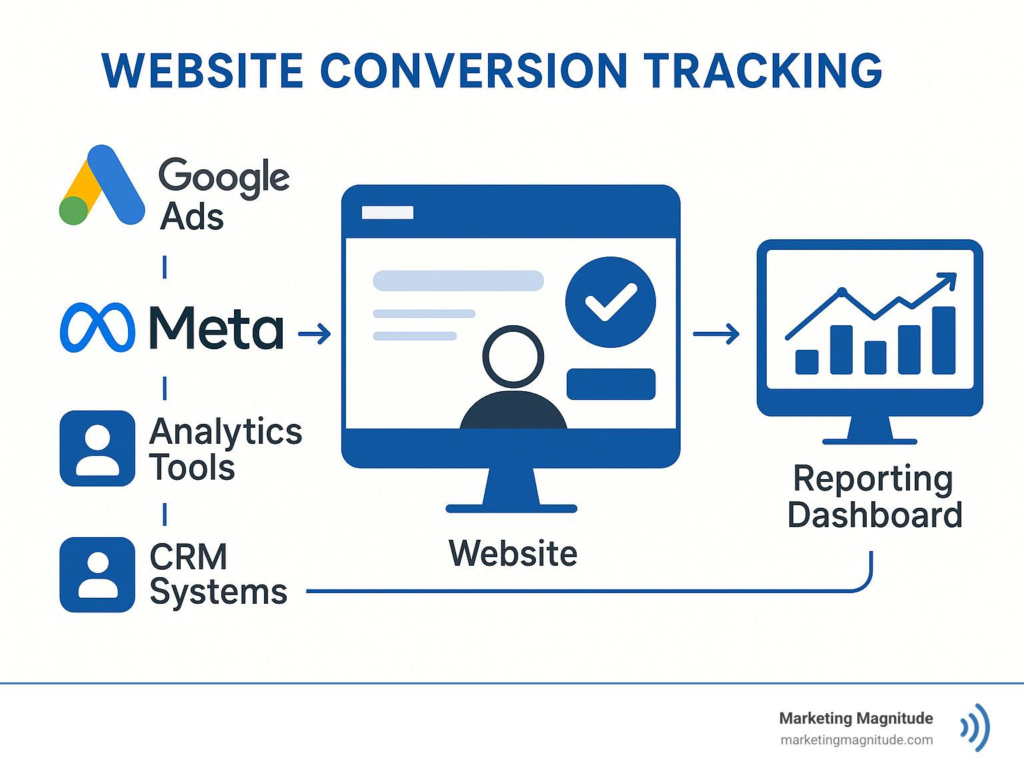
- Conversion tracking
- Campaign optimization
- Performance reporting
The primary goal is to generate high-quality traffic that converts into leads, customers, or sales while maintaining cost efficiency.
How PPC Advertising Works
PPC advertising operates through an auction-based system. Advertisers bid on specific keywords related to their products or services.
When users search for those keywords, the advertising platform evaluates:
- Bid amount
- Ad relevance
- Landing page quality
- Expected click-through rate
- Overall ad quality score
The platform then determines which ads appear and in what order.
Advertisers only pay when users click on their advertisements, making PPC a performance-based marketing model.
Why PPC Advertising Services Are Important
Businesses face increasing competition online. PPC advertising provides a way to reach potential customers at the exact moment they are searching for products or services.
Immediate Visibility
Unlike SEO, which may take months to show results, PPC campaigns can start driving traffic almost immediately after launch.
Highly Targeted Traffic
Advertisers can target audiences based on:
- Keywords
- Location
- Age
- Gender
- Interests
- Device type
- Income level
- Online behavior
Measurable Results
Every click, impression, conversion, and sale can be tracked and analyzed.
Increased Brand Awareness
Even if users do not click on ads, seeing a brand repeatedly helps improve recognition and trust.
Better ROI
With proper optimization, businesses can generate significant returns from their advertising investment.
Key Benefits of PPC Advertising Services
Fast Lead Generation
Businesses can begin generating leads within hours of campaign activation.
Improved Sales Performance
PPC campaigns target users with high purchase intent, increasing conversion opportunities.
Flexible Budget Control
Businesses can set daily or monthly budgets based on their goals and resources.
Detailed Performance Tracking
Advertising platforms provide comprehensive analytics and reporting tools.
Competitive Advantage
PPC allows smaller businesses to compete with larger companies by targeting niche audiences and specific keywords.
Types of PPC Advertising Campaigns
Search Advertising
Search ads appear on search engine results pages when users search for relevant keywords.
Benefits include:
- High purchase intent
- Immediate visibility
- Strong conversion potential
Display Advertising
Display ads appear on websites, blogs, and mobile apps within advertising networks.
Display campaigns help businesses:
- Build brand awareness
- Reach broader audiences
- Retarget website visitors
Shopping Ads
Shopping ads display product images, prices, and descriptions directly in search results.
They are highly effective for e-commerce businesses.
Video Advertising
Video ads appear on platforms such as YouTube and video partner networks.
Video campaigns help:
- Increase engagement
- Build trust
- Showcase products visually
Social Media Advertising
Platforms such as Facebook, Instagram, LinkedIn, and X provide powerful advertising opportunities.
Social advertising allows businesses to target users based on demographics, interests, and behaviors.
Remarketing Campaigns
Remarketing targets users who have previously visited a website but did not convert.
Benefits include:
- Higher conversion rates
- Increased brand recall
- Lower acquisition costs
Google Ads and PPC Advertising Services
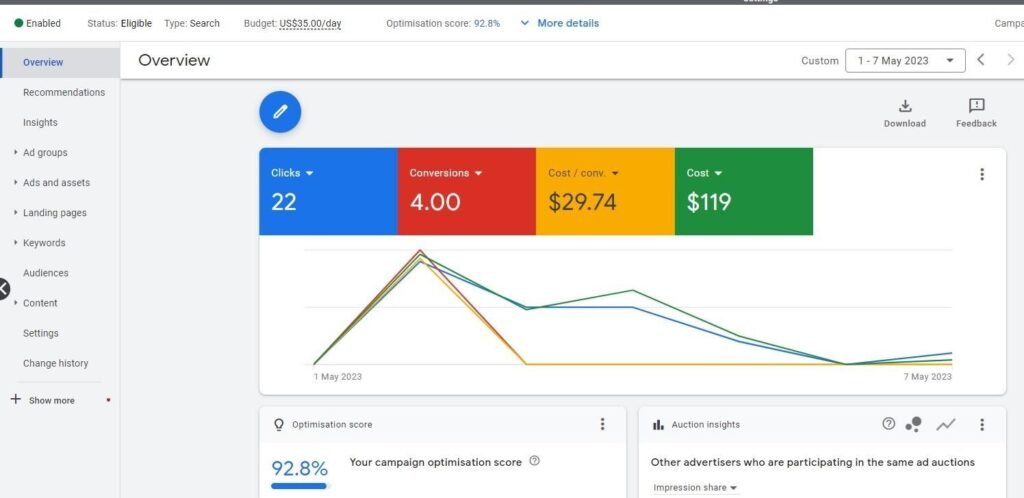
Google Ads remains one of the most powerful PPC advertising platforms.
Businesses can advertise through:
- Search campaigns
- Display campaigns
- Shopping campaigns
- Video campaigns
- Performance Max campaigns
Google Ads allows businesses to reach customers actively searching for products and services.
Advantages of Google Ads
- Massive reach
- Advanced targeting
- Real-time analytics
- Flexible budgets
- Strong conversion tracking
Keyword Research for PPC Success
Keyword research forms the foundation of successful PPC campaigns.
Advertisers should focus on:
High-Intent Keywords
These keywords indicate strong buying intent.
Examples:
- Buy digital marketing services
- PPC advertising agency
- Best PPC management services
Long-Tail Keywords
Long-tail keywords often have lower competition and higher conversion rates.
Examples:
- Affordable PPC advertising services for small businesses
- Google Ads management services near me
Negative Keywords
Negative keywords prevent ads from showing for irrelevant searches.
This helps reduce wasted advertising spend.
Creating Effective PPC Ad Copy
Ad copy plays a crucial role in campaign performance.
Successful ads typically include:
Strong Headlines
Headlines should capture attention and include relevant keywords.
Clear Value Proposition
Explain why users should choose your business.
Compelling Call-to-Action
Examples include:
- Get Started Today
- Request a Free Consultation
- Book Your Demo
- Contact Us Now
Trust Signals
Include awards, certifications, testimonials, or years of experience when possible.
Landing Page Optimization for PPC Campaigns
A PPC campaign is only as effective as the landing page it directs users to.
High-converting landing pages should include:
- Clear headline
- Relevant content
- Strong call-to-action
- Fast loading speed
- Mobile responsiveness
- Trust indicators
- Easy navigation
Landing page optimization significantly improves conversion rates and reduces advertising costs.
Audience Targeting Strategies
Successful PPC Advertising Services rely heavily on audience targeting.
Businesses can target users based on:
Geographic Location
Target specific cities, regions, or countries.
Demographics
Focus on age, gender, income, and education level.
Interests
Reach users interested in relevant topics or industries.
Device Targeting
Customize campaigns for mobile, desktop, or tablet users.
Behavioral Targeting
Target users based on previous online activities and purchasing behavior.
Conversion Tracking and Analytics
Tracking performance is essential for campaign optimization.
Important metrics include:
- Impressions
- Clicks
- Click-Through Rate (CTR)
- Cost Per Click (CPC)
- Conversion Rate
- Cost Per Acquisition (CPA)
- Return on Ad Spend (ROAS)
Businesses that consistently analyze these metrics can improve campaign performance and maximize ROI.
Advanced PPC Campaign Optimization Techniques
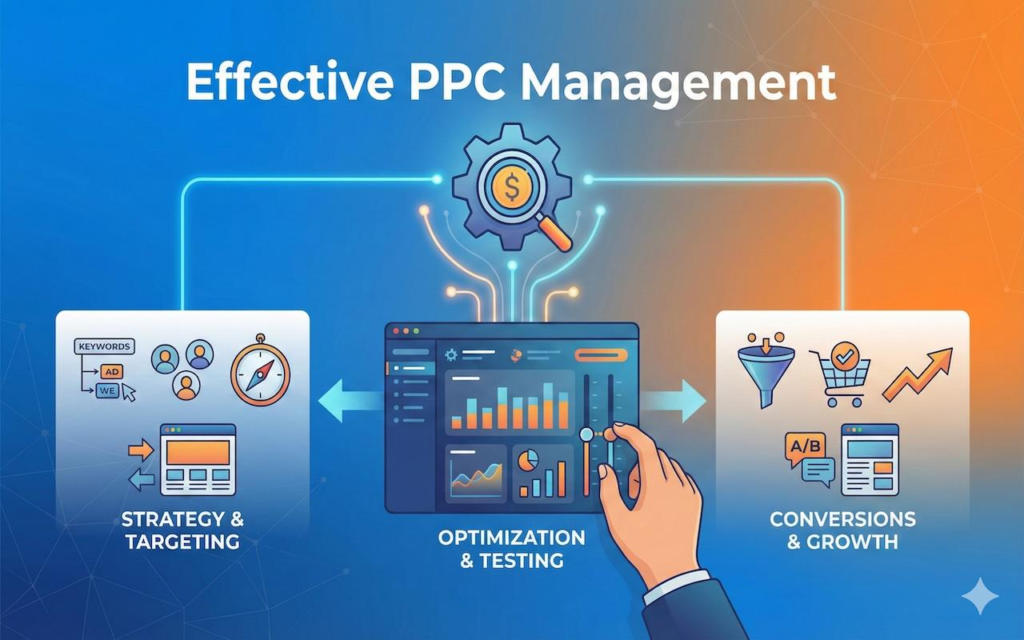
Launching a campaign is only the first step toward success. To achieve long-term profitability, businesses must continuously optimize their advertising efforts. Effective optimization helps improve click-through rates, reduce wasted spending, and increase conversions.
One important optimization technique is A/B testing. Advertisers can test different headlines, descriptions, images, and calls-to-action to determine which versions generate the best results. Small improvements in ad performance can significantly impact overall campaign success.
Bid adjustments are another critical factor. Businesses should analyze performance data and increase bids for high-performing keywords while reducing bids for keywords that generate clicks but fail to convert. This approach helps allocate budget more effectively and improve return on investment.
Audience segmentation also plays a major role in campaign optimization. Instead of targeting a broad audience, businesses can create specific audience groups based on demographics, interests, behaviors, and previous interactions. Personalized advertisements often perform better because they are more relevant to the user’s needs.
PPC Advertising Services for Small Businesses
Many small business owners believe paid advertising is only suitable for large corporations with substantial marketing budgets. However, PPC Advertising Services can be highly effective for small businesses when campaigns are carefully planned and managed.
One of the biggest advantages is budget flexibility. Businesses can start with a modest daily budget and gradually increase spending as results improve. This allows companies to test different strategies without making a large financial commitment.
Local businesses can also benefit from location-based targeting. Restaurants, healthcare providers, educational institutions, and service companies can focus their advertisements on users within specific geographic areas. This increases relevance and reduces unnecessary advertising costs.
Additionally, small businesses can compete with larger brands by targeting niche keywords. Instead of bidding on highly competitive terms, businesses can focus on specific phrases that attract qualified prospects who are more likely to convert.
The Importance of Quality Score
Quality Score is one of the most important metrics in paid advertising platforms. It measures the relevance and quality of advertisements, keywords, and landing pages.
A higher Quality Score can lead to:
- Lower advertising costs
- Better ad positions
- Improved click-through rates
- Increased campaign efficiency
Several factors influence Quality Score:
Ad Relevance
Advertisements should closely match the user’s search intent. Relevant ads are more likely to receive clicks and conversions.
Landing Page Experience
The landing page should provide useful information, load quickly, and offer a positive user experience.
Expected Click-Through Rate
Platforms evaluate the likelihood that users will click on an advertisement based on historical performance.
Businesses that prioritize Quality Score often achieve better results while spending less on advertising.
PPC Advertising and Conversion Rate Optimization
Driving traffic is important, but conversions are the ultimate goal. Conversion Rate Optimization (CRO) focuses on improving the percentage of visitors who take desired actions.
Examples of conversions include:
- Completing a contact form
- Requesting a consultation
- Making a purchase
- Downloading a guide
- Signing up for a newsletter
Businesses can improve conversions by:
- Simplifying forms
- Improving page design
- Strengthening calls-to-action
- Adding customer testimonials
- Displaying trust badges
- Improving page speed
Combining PPC campaigns with effective CRO strategies helps maximize marketing results.
Artificial Intelligence and PPC Advertising
Artificial Intelligence is transforming digital advertising. Modern advertising platforms use machine learning algorithms to improve targeting, bidding, and campaign performance.
AI-powered features can:
- Analyze large amounts of data
- Identify high-converting audiences
- Predict user behavior
- Optimize bids automatically
- Improve ad delivery
Smart bidding strategies use machine learning to adjust bids in real time based on conversion probability. This allows advertisers to achieve better performance without manually managing every bid adjustment.
As AI technology continues to evolve, businesses that adopt automation tools can gain a significant competitive advantage.
PPC Advertising Trends for 2026
The digital advertising landscape continues to change rapidly. Businesses should stay informed about emerging trends to remain competitive.
Increased Automation
Automation tools are becoming more sophisticated, helping advertisers manage campaigns more efficiently.
Video Advertising Growth
Video content continues to dominate online engagement. Platforms such as YouTube and social media networks offer significant opportunities for advertisers.
First-Party Data Usage
Privacy regulations are encouraging businesses to collect and utilize their own customer data for targeting and personalization.
Personalized Advertising
Consumers expect more relevant experiences. Personalized advertisements often generate higher engagement and conversion rates.
Mobile-First Campaigns
As mobile usage continues to increase, businesses must ensure advertisements and landing pages are fully optimized for mobile devices.
Common PPC Mistakes to Avoid
Even well-funded campaigns can fail if common mistakes are not addressed.
Ignoring Negative Keywords
Negative keywords prevent advertisements from appearing for irrelevant searches. Failing to use them can waste advertising budget.
Poor Landing Page Experience
Sending users to slow or poorly designed pages often results in low conversion rates.
Lack of Conversion Tracking
Without proper tracking, businesses cannot accurately measure campaign performance.
Targeting Too Broad an Audience
Broad targeting may generate traffic, but it often reduces conversion quality.
Failing to Optimize Campaigns
PPC advertising requires continuous monitoring and improvement. Businesses that neglect optimization often experience declining performance.
PPC Advertising Services vs SEO
Many businesses wonder whether they should invest in PPC advertising or SEO. The reality is that both strategies can work together.
Benefits of PPC Advertising
- Immediate visibility
- Fast lead generation
- Precise targeting
- Measurable performance
- Scalable campaigns
Benefits of SEO
- Long-term traffic growth
- Improved credibility
- Sustainable results
- Lower long-term acquisition costs
The most successful digital marketing strategies often combine PPC and SEO to maximize visibility and customer acquisition.
Conclusion
PPC Advertising Services provide businesses with a powerful way to attract targeted traffic, generate leads, and increase revenue. Through strategic keyword targeting, compelling ad copy, optimized landing pages, and continuous performance analysis, businesses can achieve significant growth through paid advertising.
As digital marketing continues to evolve, advertisers must adapt to new technologies, consumer behaviors, and industry trends. Businesses that invest in professional campaign management and ongoing optimization will be better positioned to achieve long-term success.
Whether you are a startup, local business, or established enterprise, PPC advertising offers measurable opportunities to connect with potential customers and drive business growth. By implementing best practices and staying focused on performance, businesses can maximize their return on investment and remain competitive in the digital marketplace.