
Introduction
In today’s digital world, businesses need more than just a website to succeed. Customers spend a significant amount of their time on social media platforms such as Facebook, Instagram, LinkedIn, X, YouTube, and Pinterest. This shift in consumer behavior has made Social Media Marketing one of the most effective ways for businesses to connect with their target audience, build brand awareness, and increase sales.
Social Media Marketing is the process of using social media platforms to promote products, services, and brands. It involves creating engaging content, interacting with followers, running advertising campaigns, and analyzing performance to achieve business goals. Whether you are a startup, small business, or large enterprise, social media marketing can help you reach potential customers and establish a strong online presence.
This guide explores everything you need to know about Social Media Marketing, its benefits, strategies, and how it can help businesses grow in 2026 and beyond.
Table of Contents
What is Social Media Marketing?
Social Media Marketing (SMM) is a digital marketing strategy that uses social networking platforms to engage audiences and promote a business. The primary goal is to create meaningful interactions with users while increasing brand visibility and driving conversions.
Unlike traditional marketing methods, social media marketing allows businesses to communicate directly with customers in real time. Companies can respond to questions, gather feedback, and build relationships with their audience.
Popular social media platforms include:
- YouTube
- X (Twitter)
- Snapchat
- TikTok
Each platform serves a different purpose and attracts a unique audience, making it important for businesses to choose the right channels for their marketing efforts.
Why Social Media Marketing is Important
Social media has transformed the way businesses communicate with customers. Millions of people use social media daily, making it an essential marketing channel.
1. Increases Brand Awareness
One of the biggest advantages of Social Media Marketing is its ability to increase brand visibility. Regular posting and engagement help businesses reach new audiences and strengthen their brand identity.
2. Drives Website Traffic
Sharing valuable content and links on social media encourages users to visit your website. Increased traffic can lead to more inquiries, sales, and conversions.
3. Builds Customer Relationships
Social media allows businesses to interact directly with customers. Responding to comments and messages builds trust and strengthens customer relationships.
4. Cost-Effective Marketing
Compared to traditional advertising, social media marketing is affordable. Businesses can reach large audiences with a relatively small budget.
5. Improves Customer Engagement
Interactive content such as polls, videos, stories, and live streams encourages audience participation and engagement.
6. Generates Leads and Sales
Social media platforms provide powerful advertising tools that help businesses target specific audiences and generate high-quality leads.
Key Benefits of Social Media Marketing
Better Brand Recognition
Consistent posting and branding make it easier for customers to recognize your business.
Increased Customer Loyalty
Regular engagement helps businesses create loyal communities around their brands.
Higher Search Engine Visibility
While social media signals are not direct ranking factors, social media activity can increase website traffic and improve online visibility.
Valuable Customer Insights
Social media analytics provide detailed information about audience demographics, interests, and behaviors.
Competitive Advantage
Businesses that actively engage on social media often outperform competitors who ignore these platforms.
Popular Social Media Platforms for Marketing
Facebook remains one of the most widely used social media platforms. Businesses can create pages, run advertisements, and engage with customers through posts and messages.
Instagram is ideal for visual content such as photos, reels, stories, and videos. It is especially effective for fashion, beauty, travel, and lifestyle brands.
LinkedIn is the leading platform for B2B marketing. Companies use it to build professional networks, generate leads, and establish industry authority.
YouTube
Video content continues to dominate online marketing. YouTube allows businesses to educate, entertain, and engage audiences through videos.
Pinterest is useful for businesses in niches such as home decor, fashion, food, and DIY projects.
X (Twitter)
X helps businesses share updates, industry news, and engage in real-time conversations.
Effective Social Media Marketing Strategies
Define Clear Goals
Before starting a campaign, businesses should identify their objectives. Common goals include:
- Increasing brand awareness
- Generating leads
- Driving website traffic
- Improving customer engagement
- Increasing sales
Understand Your Target Audience
Knowing your audience helps create relevant content that resonates with users. Research demographics, interests, and online behavior.
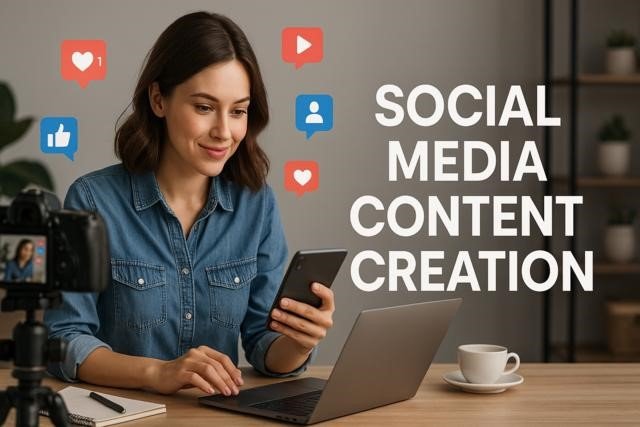
Create High-Quality Content
Content is the foundation of successful Social Media Marketing. Businesses should focus on creating:
- Educational posts
- Videos
- Infographics
- Customer testimonials
- Product demonstrations
- Industry news
Maintain Consistency
Posting regularly keeps your audience engaged and improves visibility. A content calendar helps maintain consistency.
Use Visual Content
Images and videos often perform better than text-only posts. High-quality visuals attract attention and encourage engagement.
Engage With Followers
Responding to comments and messages shows customers that their opinions matter.
Monitor Performance
Use analytics tools to track engagement, reach, clicks, and conversions. This data helps optimize future campaigns.
The Role of Paid Advertising in Social Media Marketing
Organic reach is valuable, but paid advertising helps businesses scale faster.
Popular advertising options include:
- Facebook Ads
- Instagram Ads
- LinkedIn Ads
- YouTube Ads
- Pinterest Ads
Benefits of paid social media advertising:
- Precise audience targeting
- Faster results
- Increased brand visibility
- Higher conversion rates
- Better lead generation
Businesses can target users based on age, location, interests, behavior, and more.
Social Media Marketing Trends in 2026
Short-Form Video Content
Short videos continue to dominate social media platforms. Reels, Shorts, and TikTok-style content generate high engagement.
Artificial Intelligence
AI-powered tools help businesses create content, analyze data, and improve campaign performance.
Influencer Marketing
Influencers continue to play a major role in promoting products and services.
Social Commerce
Customers increasingly purchase products directly through social media platforms.
Personalized Content
Consumers prefer content tailored to their interests and preferences.
Community Building
Brands are focusing more on creating loyal communities rather than simply increasing follower counts.
Common Social Media Marketing Mistakes to Avoid
Ignoring Analytics
Failing to analyze performance can result in ineffective campaigns.
Inconsistent Posting
Irregular posting reduces visibility and engagement.
Focusing Only on Sales
Constant promotional content can discourage followers. Businesses should provide value through educational and entertaining content.
Not Engaging With Followers
Ignoring comments and messages can damage customer relationships.
Using the Same Content Everywhere
Different platforms require different content formats and strategies.
Measuring Social Media Marketing Success
Important metrics include:
- Reach
- Impressions
- Engagement Rate
- Website Traffic
- Click-Through Rate (CTR)
- Conversion Rate
- Lead Generation
- Return on Investment (ROI)
Tracking these metrics helps businesses understand what is working and where improvements are needed.
Social Media Marketing for Customer Engagement and Business Growth
Businesses today operate in a highly competitive digital environment where customer attention is more valuable than ever. Social Media Marketing helps brands stay connected with their audience while building trust and credibility. Through consistent communication and valuable content, companies can create meaningful relationships that encourage long-term customer loyalty.
One of the primary advantages of social media platforms is their ability to facilitate direct interaction between businesses and consumers. Unlike traditional advertising methods, social platforms allow companies to respond to comments, answer questions, and address concerns in real time. This level of engagement creates a positive customer experience and strengthens brand reputation.
Consumers often research brands on social media before making purchasing decisions. A strong and active presence can influence buying behavior by showcasing expertise, customer reviews, and valuable content. Businesses that maintain active social profiles often gain a competitive advantage over those with limited online activity.
Creating a Successful Content Strategy
A well-planned content strategy is essential for achieving consistent results. Businesses should focus on creating content that educates, informs, entertains, and inspires their audience. The goal is to provide value while encouraging engagement.
Content planning begins with understanding audience preferences. By analyzing customer interests and behaviors, businesses can develop content that resonates with their target market.
Popular content formats include:
- Educational posts
- Industry news
- Infographics
- Customer testimonials
- Videos
- Live sessions
- Product demonstrations
- Behind-the-scenes content
A balanced mix of content helps maintain audience interest and improves overall engagement rates.
The Importance of Consistency
Consistency plays a crucial role in building a recognizable brand. Posting regularly helps businesses remain visible in users’ feeds and reinforces brand awareness.
A content calendar can help organizations schedule posts in advance and maintain a steady publishing routine. Consistent messaging also ensures that customers receive a unified brand experience across different platforms.
Businesses should establish posting schedules based on audience activity patterns. Publishing content when followers are most active can increase visibility and engagement.
Social Media Marketing and Brand Authority
Building authority is an important objective for many organizations. Social Media Marketing allows businesses to demonstrate expertise by sharing industry knowledge and valuable insights.
Brands can position themselves as industry leaders by:
- Publishing educational content
- Sharing research findings
- Providing practical tips
- Participating in industry discussions
- Hosting webinars and live events
As audiences begin to trust the information shared by a business, they become more likely to engage with the brand and consider its products or services.
Using Video Content to Increase Engagement
Video content has become one of the most effective forms of digital communication. Short videos, tutorials, product demonstrations, and live streams often generate higher engagement compared to text-based content.
Benefits of video marketing include:
- Increased audience retention
- Better storytelling opportunities
- Higher engagement rates
- Improved brand awareness
- Enhanced customer understanding
Businesses should invest in creating high-quality videos that provide value and encourage interaction. Even simple videos can significantly improve engagement when they address audience needs.
Community Building Through Social Platforms
Successful brands focus on building communities rather than simply increasing follower counts. A strong online community encourages discussions, feedback, and customer participation.
Community-building strategies include:
- Responding to comments
- Hosting live question-and-answer sessions
- Encouraging user-generated content
- Creating polls and surveys
- Recognizing loyal customers
When customers feel connected to a brand, they are more likely to become repeat buyers and brand advocates.
Measuring Campaign Performance
Tracking performance is essential for continuous improvement. Businesses should regularly analyze key metrics to understand what is working and what needs adjustment.
Important metrics include:
- Reach
- Impressions
- Engagement rate
- Click-through rate
- Website traffic
- Follower growth
- Conversion rate
- Return on investment
Performance analysis helps marketers make informed decisions and optimize future campaigns.
Organizations that adapt to these developments can improve engagement, strengthen customer relationships, and achieve sustainable business growth.
Future of Social Media Marketing
The future of Social Media Marketing is driven by innovation, personalization, and technology. Businesses that adapt to changing trends and consumer preferences will continue to succeed.
As artificial intelligence, automation, and social commerce evolve, marketers will have more opportunities to connect with audiences and deliver personalized experiences.
Companies that invest in social media marketing today will be better positioned to compete in the digital landscape of tomorrow.
Conclusion
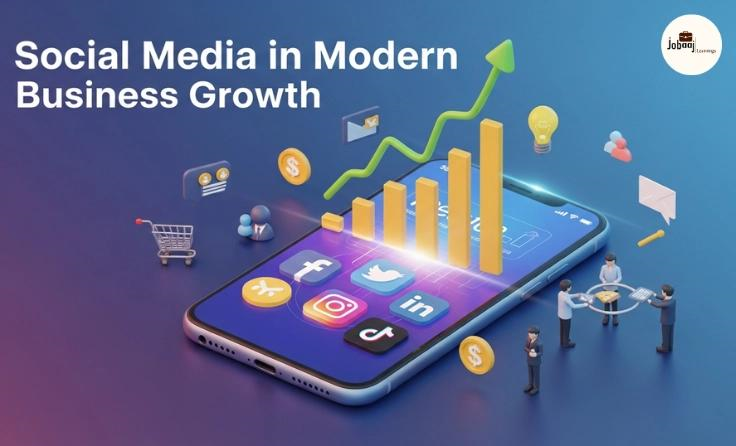
Social Media Marketing has become an essential component of modern business growth. It enables companies to build brand awareness, engage customers, drive website traffic, and increase sales. By creating valuable content, maintaining consistency, and leveraging both organic and paid strategies, businesses can achieve long-term success online.
Whether you are a small business owner, entrepreneur, or established brand, investing in Social Media Marketing can help you reach your target audience and stay competitive in an increasingly digital world. The key is to understand your audience, provide value, and continuously optimize your strategy based on performance data.
As social media continues to evolve, businesses that embrace innovation and prioritize customer engagement will achieve sustainable growth and lasting success.