
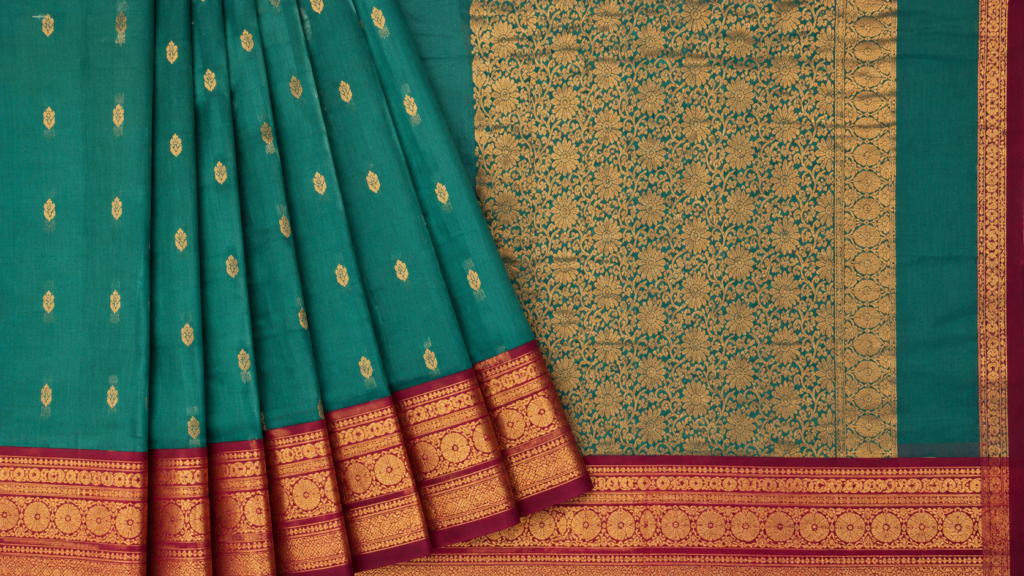
Among the many treasures of Indian fashion, the Handloom Saree holds a special place. It represents artistry, heritage, culture, and timeless elegance. Woven carefully by skilled artisans using traditional looms, these sarees are more than garments—they are stories crafted with threads.
In today’s fast-changing fashion world, handcrafted clothing is gaining renewed appreciation. Women across generations are embracing the beauty of the handloom saree for weddings, festivals, office wear, family gatherings, and even modern fashion styling. The charm of handcrafted weaving, natural textures, and unique patterns makes every saree special.
This detailed guide explores everything about the handloom saree—its history, weaving traditions, fabric varieties, styling ideas, care tips, buying guide, and why it continues to be one of the most loved forms of Indian ethnic fashion.
Table of Contents
What Is a Handloom Saree?
A handloom sari is a saree woven manually on a loom without heavy industrial machinery. Skilled artisans use traditional techniques passed down through generations to create intricate designs, motifs, textures, and patterns.
Unlike machine-made fabrics, each handloom saree carries the personal touch of the weaver. Small irregularities in weaving often become proof of authenticity, making every piece unique.
The beauty of a handloom sari lies in:
- Authentic craftsmanship
- Rich cultural heritage
- Unique weaving patterns
- Natural texture
- Long-lasting quality
- Eco-friendly production
Every thread in a handloom sari reflects dedication, patience, and artistry.
The History of Handloom Saree in India
India has one of the oldest textile traditions in the world. The story of the handloom sari goes back thousands of years. Ancient Indian civilizations were known for cotton cultivation, natural dyeing, and weaving techniques.
During royal dynasties, handwoven textiles became symbols of status, wealth, and elegance. Kings, queens, and noble families wore finely woven sarees created by master artisans.
Over centuries, different regions developed their own signature weaving styles, creating the rich diversity of handloom traditions that continue today.
Even today, handloom weaving supports millions of artisan families across India.
Why Handloom Sarees Are Special
The popularity of the handloom sari continues because of its unmatched beauty and authenticity.
1. Unique Craftsmanship
No two handloom saries are exactly alike. Every weave has slight variations that make it exclusive.
2. Cultural Heritage
Each saree reflects regional traditions, local stories, and generations of craftsmanship.
3. Comfort
Handloom fabrics often allow better airflow, making them comfortable in Indian weather.
4. Durability
A well-maintained handloom saree can last for decades.
5. Sustainability
Handloom production uses less electricity and supports eco-friendly fashion.
Popular Types of Handloom Sarees in India
India offers an incredible variety of handloom saries.
Pochampally Saree
Known for geometric ikat designs and vibrant colors, these sarees are loved for both traditional and contemporary styling.
Kanchipuram Saree
Rich silk, bold borders, and temple motifs make these ideal for weddings.
Banarasi Saree
Famous for intricate zari work and luxurious patterns.
Chanderi Saree
Elegant, lightweight, and perfect for festive wear.
Maheshwari Saree
Known for fine borders and graceful drape.
Sambalpuri Saree
Beautiful motifs inspired by nature and culture.
Paithani Saree
Recognized for peacock motifs and luxurious silk weaving.
How a Handloom Saree Is Made


Creating these saree is a labor-intensive process.
Step 1: Selecting the Yarn
Artisans choose cotton, silk, linen, or blended fibers.
Step 2: Dyeing
Natural or synthetic colors are used.
Step 3: Preparing the Loom
Threads are arranged carefully.
Step 4: Designing
Patterns and motifs are planned.
Step 5: Weaving
Each thread is woven manually.
Depending on complexity, one saree may take days or even weeks.
Fabrics Used in Handloom Sarees
Different fabrics create different styles.
Cotton Handloom Sari
Ideal for daily wear and summer comfort.
Silk Handloom Sari
Perfect for weddings and celebrations.
Linen Handloom Sari
Minimalist, modern, and breathable.
Tissue Handloom Sari
Lightweight and festive.
Blended Handloom Sari
Affordable and versatile.
Handloom Saree for Weddings
Wedding fashion often celebrates the beauty of the handloom sarei.
Popular wedding choices include:
- Kanchipuram silk
- Banarasi silk
- Paithani
- Gadwal
- Patola
Brides often choose handloom saries because of their regal appearance.
Handloom Saree for Office Wear
Working women increasingly choose handloom saries.
Why?
- Professional appearance
- Comfortable fabrics
- Elegant simplicity
- Easy styling
Cotton and linen handloom saries are especially popular.
Handloom Saree Styling Tips

Traditional Styling
Pair with:
- Temple jewelry
- Traditional blouse
- Flowers in hair
Contemporary Styling
Pair with:
- Belted drape
- Designer blouse
- Statement earrings
Office Styling
Pair with:
- Simple blouse
- Watch
- Comfortable footwear
How to Identify an Authentic Handloom Saree
Buying an authentic handloom sari requires attention.
Look for:
- Slight weaving irregularities
- Handloom mark certification
- Soft texture
- Detailed borders
- Unique weaving patterns
Authentic handloom sarees often feel more natural than machine-made fabrics.
Benefits of Buying Handloom Sarees
Choosing a handloom sari supports:
Artisan Communities
Your purchase supports traditional weavers.
Sustainable Fashion
Handloom production has lower environmental impact.
Cultural Preservation
Traditional weaving survives through customer support.
Long-Term Value
Quality handloom sarees become heirlooms.
How to Care for a Handloom Saree
Proper care increases longevity.
Washing
- Use mild detergent
- Prefer dry cleaning for silk
Drying
- Avoid direct sunlight
Storage
- Store in cotton cloth
Maintenance
- Refold periodically
Handloom Saree Trends in Modern Fashion
Fashion designers continue to reinvent the handloom sari.
Current trends include:
- Pastel shades
- Minimal borders
- Fusion blouses
- Belted drapes
- Sustainable collections
Young women are embracing handloom fashion like never before.
Why Handloom Sarees Are Perfect for Every Generation
A handloom sari suits:
- Young professionals
- Brides
- Mothers
- Grandmothers
- Fashion enthusiasts
Its timeless appeal crosses generations.
Buying Handloom Sarees Online
Before buying:
- Check fabric details
- Review product images
- Read customer feedback
- Confirm return policy
- Verify authenticity marks
Always choose trusted sellers.
Handloom Saree as an Heirloom
Many families preserve a treasured handloom sari for generations. These sarees often carry emotional memories—weddings, festivals, celebrations, and milestones.
A handloom saree becomes more beautiful with time.
The Future of Handloom Saree
The future of the handloom sari looks promising. With growing interest in sustainable fashion, handcrafted textiles are receiving global attention.
Designers, artisans, and conscious buyers are helping preserve this tradition.
The Growing Popularity of the Handloom Saree in Modern Fashion
In recent years, the handloom sari has experienced a remarkable revival in the fashion industry. Once considered attire mainly for traditional occasions, it has now become a style statement embraced by women of every age. Fashion enthusiasts, working professionals, brides, designers, and even international buyers are recognizing the unmatched elegance of the handloom saree.
One of the biggest reasons for this renewed popularity is the growing awareness of sustainable fashion. Consumers today want clothing that is not only beautiful but also meaningful. A handloom sari perfectly fits this mindset because it represents craftsmanship, tradition, and environmentally conscious production.
Modern designers are introducing fresh interpretations of the handloom saree by blending traditional weaving techniques with contemporary patterns, innovative color palettes, and stylish blouse designs. This fusion makes the saree appealing to younger generations who want to celebrate tradition while maintaining modern fashion preferences.
Regional Diversity in Handloom Saree Traditions
India’s textile heritage is incredibly diverse, and every region contributes something unique to the world of the handloom sari.
South Indian Handloom Sarees
South India is famous for luxurious silk handloom saries that feature rich borders, temple motifs, and vibrant colors. These sarees are often chosen for weddings, festivals, and religious ceremonies.
The weaving traditions of South India have been preserved for centuries, and many artisan families continue to follow age-old techniques passed from one generation to the next.
North Indian Handloom Sarees
North India is known for intricate zari work, brocade patterns, floral motifs, and royal designs. These sarees often carry a luxurious appeal and are highly valued for special occasions.
Eastern Indian Handloom Sarees
Eastern India offers artistic weaving styles inspired by nature, mythology, and local traditions. Fine craftsmanship and detailed motifs make these sarees highly distinctive.
Western Indian Handloom Sarees
Western India is known for bold colors, geometric patterns, and traditional motifs. These sarees reflect regional culture and artistic expression.
The diversity found in the handloom sari makes it one of the most versatile garments in Indian fashion.
Handloom Saree and Cultural Identity
A handloom sari is more than a piece of clothing. It is often connected with identity, family traditions, and cultural pride.
Many women inherit handloom sarees from mothers and grandmothers. These sarees become part of family history and carry emotional significance. Wearing an heirloom saree at weddings, festivals, and important celebrations creates a deep connection between generations.
In many Indian households, gifting a handloom sari symbolizes love, respect, blessings, and prosperity. Sarees are commonly gifted during:
- Weddings
- Housewarming ceremonies
- Festivals
- Baby showers
- Anniversary celebrations
- Religious functions
The emotional value of a handloom saree often surpasses its material worth.
How Handloom Sarees Empower Artisan Communities
When you purchase a handloom sari, you directly support thousands of artisan families who depend on traditional weaving for their livelihood.
Handloom weaving creates employment in rural communities and helps preserve centuries-old textile knowledge. Many weaving clusters across India continue to thrive because customers appreciate authentic handcrafted products.
Supporting handloom artisans helps:
- Preserve traditional skills
- Promote rural employment
- Encourage women’s participation in weaving
- Strengthen local economies
- Sustain family-owned weaving businesses
Every handloom saree represents hours of dedication, precision, and artistic excellence.
Handloom Saree for Seasonal Fashion
One of the greatest advantages of a handloom sari is its adaptability across seasons.
Summer Styling
Cotton handloom sarees are ideal for hot weather because they are breathable, lightweight, and comfortable.
Summer styling ideas:
- Pastel shades
- Minimal jewelry
- Sleeveless blouses
- Light makeup
- Open hairstyles
Monsoon Styling
Blended fabrics and lighter weaves are practical during rainy weather.
Monsoon styling ideas:
- Darker shades
- Quick-dry fabrics
- Comfortable footwear
- Short-sleeve blouses
Winter Styling
Silk and heavier woven sarees offer warmth and elegance.
Winter styling ideas:
- Rich jewel tones
- Full-sleeve blouses
- Layered jewelry
- Traditional shawls
The versatility of the handloom sari makes it suitable throughout the year.
Handloom Saree Color Trends
Color plays an important role in the appeal of a handloom sari.
Classic Colors
Timeless shades remain popular:
- Red
- Maroon
- Royal blue
- Emerald green
- Mustard yellow
- Black
- Ivory
Contemporary Shades
Modern buyers are embracing:
- Powder pink
- Lavender
- Mint green
- Peach
- Beige
- Soft grey
- Dusty rose
Festive Color Combinations
Popular combinations include:
- Red and gold
- Green and pink
- Blue and silver
- Purple and copper
- Black and gold
These color combinations enhance the beauty of the handloom saree for every occasion.
Handloom Saree for Professional Women
Today’s working women are increasingly choosing the handloom sari for professional settings.
Why it works so well:
- Sophisticated appearance
- Comfortable fabrics
- Professional elegance
- Cultural confidence
- Long-lasting quality
Many women wear handloom sarees to:
- Corporate meetings
- Conferences
- Teaching professions
- Government offices
- Cultural events
- Business presentations
A simple cotton or linen handloom saree can create a powerful and graceful professional image.
Celebrity Influence on Handloom Saree Fashion
Many celebrities, public figures, and fashion icons have contributed to the growing popularity of the handloom sari.
Celebrities often choose handloom sarees for:
- Award ceremonies
- Cultural celebrations
- Political events
- Fashion campaigns
- Festival appearances
Their influence inspires younger generations to explore traditional fashion.
Handloom Saree for Destination Weddings
Destination weddings have created new opportunities for handloom saree styling.
Popular choices include:
- Lightweight silk handloom sarees
- Elegant pastel cotton silk sarees
- Minimal zari woven sarees
- Rich heritage designs
These sarees photograph beautifully and create memorable bridal moments.
Handloom Saree as a Sustainable Fashion Choice
Sustainability is shaping modern fashion decisions, and the handloom sari stands out as an eco-conscious option.
Benefits include:
- Lower energy consumption
- Reduced industrial waste
- Support for slow fashion
- Minimal machine dependency
- Longer garment lifespan
Choosing handloom fashion helps reduce environmental impact while supporting ethical production.
How to Build a Handloom Saree Collection
Every saree lover can create a meaningful collection.
Start with:
Daily Wear Collection
- Cotton handloom sarees
- Simple woven patterns
- Neutral colors
Festive Collection
- Rich silk handloom sarees
- Traditional motifs
- Metallic borders
Wedding Collection
- Heavy woven sarees
- Intricate craftsmanship
- Heritage designs
Contemporary Collection
- Minimalist designs
- Soft colors
- Modern drapes
A balanced collection ensures you always have the perfect handloom sari for every occasion.
Investment Value of Handloom Sarees
A high-quality handloom sari is often considered an investment.
Reasons include:
- Timeless appeal
- Long durability
- Heritage craftsmanship
- Collectible value
- Emotional significance
Rare and finely crafted handloom saries often become treasured family possessions.
Why Every Woman Should Own a Handloom Saree
Every wardrobe deserves at least one Handloom Sari because it offers:
- Timeless elegance
- Cultural connection
- Sustainable fashion
- Exceptional comfort
- Unique craftsmanship
- Long-term value
- Emotional significance
Whether you wear it for a wedding, office event, festive celebration, or family gathering, a handloom saree never goes out of style.
Its beauty lies not only in its appearance but also in the stories, traditions, and skilled hands that bring it to life.
A handloom sari is not just fashion—it is heritage woven into every thread.
Conclusion
The Handloom Sari is not just clothing—it is art, heritage, craftsmanship, and identity woven together. Whether you wear it for a wedding, office event, festival, or casual gathering, it offers unmatched elegance.
Choosing a handloom sari means celebrating Indian tradition while supporting artisan communities and sustainable fashion.
If you own even one handloom sari, you own a piece of timeless history.