
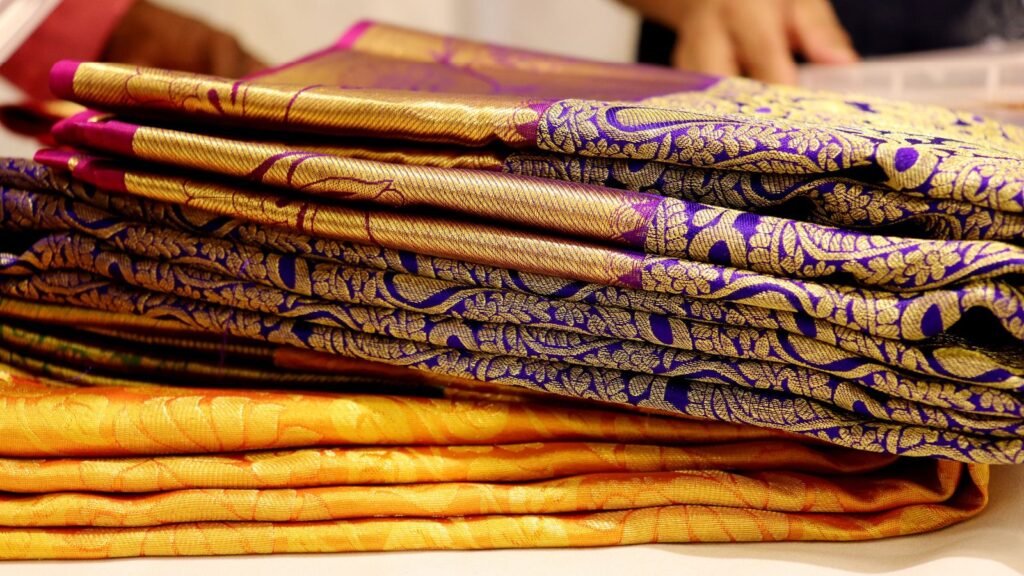
A Silk Saree is more than just a piece of clothing—it is a symbol of tradition, elegance, craftsmanship, and cultural heritage. Across generations, silk sarees have remained an essential part of Indian fashion, representing grace and sophistication. Whether worn during weddings, festivals, family celebrations, or cultural events, a silk saree creates an unforgettable impression.
From the luxurious texture to the intricate weaving patterns, every silk saree tells a unique story. Handcrafted by skilled artisans, these sarees showcase India’s rich textile traditions while adapting beautifully to modern fashion trends.
In this detailed guide, we will explore everything about silk sarees—their history, types, fabrics, styling tips, maintenance, and why every woman deserves to own at least one silk saree.
Table of Contents
The Rich History of Silk Saree
The history of the Silk Saree dates back thousands of years. Silk weaving flourished in ancient India under royal patronage. Kings and queens adorned themselves with luxurious silk garments as a mark of prestige and wealth.
Over time, different regions of India developed their own weaving techniques and artistic styles. Each region added unique motifs, colors, and patterns, creating diverse varieties of silk sarees.
Today, silk sarees continue to preserve these traditions while embracing contemporary fashion.
Why Silk Saree Is Special
A silk sari is cherished for several reasons:
Luxurious Fabric
Silk naturally has a soft, smooth, and glossy texture that feels comfortable against the skin.
Royal Appearance
The rich sheen of silk instantly adds elegance and sophistication.
Long-Lasting Quality
A well-maintained silk saree can last for decades and even become a family heirloom.
Cultural Significance
Silk sarees are deeply associated with Indian traditions, rituals, and celebrations.
Versatile Fashion
They suit women of all ages and can be styled traditionally or modernly.
Different Types of Silk Saree in India
India is home to numerous varieties of Silk Sari styles.
1. Kanchipuram Silk Saree

The Kanchipuram Silk Saree originates from Tamil Nadu and is famous for:
- Heavy silk fabric
- Rich zari borders
- Temple-inspired motifs
- Bright contrasting colors
These sarees are especially popular for weddings.
2. Banarasi Silk Saree

The Banarasi Silk Sari is known for:
- Gold and silver zari work
- Floral motifs
- Mughal-inspired designs
- Luxurious texture
Banarasi silk sarees are highly preferred for bridal wear.
3. Mysore Silk Saree
The Mysore Silk Sari is famous for:
- Lightweight fabric
- Minimalistic elegance
- Rich plain colors
- Fine gold borders
Perfect for formal occasions.
4. Patola Silk Saree
The Patola Silk Saree is admired for:
- Complex weaving techniques
- Vibrant geometric designs
- Premium craftsmanship
These sarees are rare and valuable.
5. Paithani Silk Saree
The Paithani Silk Saree features:
- Peacock motifs
- Lotus patterns
- Rich pallu designs
Ideal for festive occasions.
6. Tussar Silk Saree
The Tussar Silk Saree offers:
- Natural golden sheen
- Lightweight texture
- Eco-friendly appeal
Perfect for both casual and formal wear.
Choosing the Perfect Silk Saree
Selecting the right silk sari depends on several factors.
Body Type
- Petite women may prefer lightweight silk.
- Tall women can carry heavy silk beautifully.
- Curvy women can choose flowing drapes.
Occasion
- Weddings: Heavy zari silk
- Festivals: Bright traditional silk
- Office events: Minimal silk designs
Color Selection
Choose colors based on skin tone and personal style:
- Fair skin: Jewel tones
- Wheatish skin: Earthy shades
- Dark skin: Bright and bold colors
Silk Saree for Weddings
A silk sari is one of the most popular choices for bridal wear.
Reasons include:
- Royal appearance
- Rich cultural value
- Elegant photographs
- Long-lasting memories
Many brides preserve their wedding silk saree for generations.
Silk Saree for Festivals
Festivals become even more special with a beautifully styled Silk Sari.
Popular festival colors include:
- Red
- Green
- Gold
- Yellow
- Royal blue
These colors symbolize prosperity and joy.
Modern Styling Tips for Silk Saree
Today’s women style a Silk Sari in creative ways.
Designer Blouses
Pair with:
- Boat neck blouses
- Sleeveless designs
- High neck patterns
- Embroidered blouses
Statement Jewelry
Accessorize with:
- Temple jewelry
- Pearl necklaces
- Kundan sets
- Antique gold jewelry
Modern Draping
Try:
- Belted drape
- Open pallu
- Lehenga drape
- Cape style drape
How to Identify Pure Silk Saree
When buying a silk sari authenticity matters.
Look for:
Texture
Pure silk feels soft and smooth.
Shine
Natural silk has a subtle glow.
Weave
Handwoven silk has slight irregularities.
Certification
Check for silk certification labels.
Caring for Your Silk Saree
Proper care ensures your Silk Sari remains beautiful for years.
Cleaning
- Prefer dry cleaning
- Avoid harsh detergents
Storage
- Store in cotton cloth
- Avoid plastic covers
Protection
- Keep away from moisture
- Avoid direct sunlight
Folding
Refold periodically to prevent fabric damage.
Silk Saree Trends in Modern Fashion
The Silk Sari continues evolving with modern trends.
Popular styles include:
- Pastel shades
- Minimal zari work
- Digital motifs
- Fusion draping styles
- Lightweight bridal collections
Young women now embrace silk sari as a fashion statement.
Why Every Woman Needs a Silk Saree
Owning a Silk Sari is like owning a timeless treasure.
It offers:
- Cultural pride
- Elegant style
- Emotional value
- Long-term durability
- Versatile fashion options
A silk sari never goes out of style.
The Future of Silk Saree
Despite changing fashion trends, the Silk Sari remains timeless. Designers continue reinventing silk sarees with fresh colors, modern cuts, and innovative draping styles while preserving traditional craftsmanship.
As sustainable fashion grows, handcrafted silk sarees are gaining even more appreciation worldwide.
The Cultural Beauty and Modern Appeal of a Silk Saree
A silk sari has always held a special place in Indian fashion. It reflects tradition, artistry, and timeless beauty that continues to inspire women across generations. From grand celebrations to intimate family occasions, this elegant attire carries emotional value along with unmatched sophistication. The journey of silk weaving, the dedication of artisans, and the rich heritage associated with every piece make it one of the most treasured garments in Indian culture.
Over the years, fashion trends have changed dramatically, yet the popularity of a silk sari has remained strong. Designers continuously reinvent classic patterns, introduce fresh color combinations, and blend traditional craftsmanship with contemporary aesthetics. This balance between heritage and innovation keeps silk relevant in every generation.
The Art Behind Silk Weaving
Creating a Silk Sari requires patience, precision, and years of experience. Skilled artisans spend days or even weeks weaving a single piece depending on the complexity of the design.
The process begins with selecting high-quality silk threads. These threads are carefully dyed using vibrant colors that maintain their richness over time. Once the threads are prepared, artisans set up traditional looms and begin the weaving process.
Many handcrafted pieces feature intricate motifs inspired by:
- Nature
- Temples
- Royal architecture
- Traditional symbols
- Floral elements
- Birds and animals
- Mythological patterns
Every design carries cultural significance and reflects regional identity.
Regional Heritage in Indian Silk
India is home to numerous weaving traditions, each producing unique styles of Silk Sari.
South Indian Heritage
Southern India is famous for rich silk weaving traditions. Sarees from this region often feature bold colors, wide borders, and detailed zari work.
Popular motifs include:
- Temple borders
- Peacocks
- Mango designs
- Floral vines
- Traditional geometric patterns
These sarees are highly valued for weddings and ceremonial occasions.
Northern Elegance
Northern weaving traditions focus on detailed brocade work and luxurious textures. Metallic thread designs add grandeur and richness to every drape.
These pieces often feature:
- Mughal-inspired motifs
- Delicate floral artwork
- Fine embroidery patterns
- Royal color combinations
Their luxurious appearance makes them perfect for bridal wear.
Western Craftsmanship
Western India is known for complex weaving techniques and artistic patterns. The craftsmanship often includes symmetrical designs and vibrant colors.
Distinctive features include:
- Double ikat patterns
- Geometric motifs
- Rich pallu designs
- Hand-dyed threads
These pieces are admired for their uniqueness.
Eastern Beauty
Eastern regions produce silk with softer textures and subtle elegance. Nature-inspired themes dominate many designs.
Popular elements include:
- Tribal art patterns
- Hand-painted motifs
- Natural color palettes
- Artistic borders
These styles are loved by women who prefer understated elegance.
Why Silk Remains a Symbol of Luxury
A Silk Sari continues to symbolize luxury because of its natural sheen, graceful drape, and rich texture.
Silk fibers reflect light beautifully, creating a subtle glow that enhances the wearer’s appearance. The smooth texture feels comfortable while maintaining a structured silhouette.
Luxury also comes from the time invested in weaving, embroidery, and finishing. Every handcrafted piece represents countless hours of dedication.
Silk in Indian Celebrations
Celebrations in India often feel incomplete without traditional attire. A Silk Sari is commonly chosen for important events.
Weddings
Brides often select silk because of its regal presence. Rich colors, zari details, and intricate motifs create a memorable bridal look.
Common bridal shades include:
- Red
- Maroon
- Gold
- Green
- Royal blue
- Pink
These colors symbolize prosperity, happiness, and new beginnings.
Festivals
Festivals bring opportunities to showcase traditional elegance. Families often wear silk during celebrations such as:
- Diwali
- Ugadi
- Sankranti
- Navratri
- Durga Puja
Traditional attire enhances the festive spirit.
Choosing Colors That Match Personality
Color plays a major role when selecting attire. Different shades create different impressions.
Warm Shades
Colors like red, orange, and gold reflect confidence and celebration.
Suitable for:
- Weddings
- Engagements
- Religious ceremonies
Cool Shades
Blue, purple, and green create elegance and calmness.
Suitable for:
- Evening events
- Formal gatherings
- Reception parties
Pastel Shades
Soft pink, lavender, mint, and peach offer modern sophistication.
Suitable for:
- Daytime functions
- Office celebrations
- Contemporary styling
Styling for Different Age Groups
One of the most beautiful aspects of a Silk Sari is its versatility.
Young Women
Modern styling options include:
- Sleeveless blouses
- Statement earrings
- Belted drapes
- Contemporary hairstyles
Working Professionals
Minimal styling works best:
- Simple jewelry
- Structured blouse designs
- Elegant makeup
- Neutral tones
Mature Women
Classic styling enhances grace:
- Traditional jewelry
- Rich colors
- Handwoven textures
- Elegant pleating
Blouse Designs That Enhance the Look
The blouse can completely transform the appearance of traditional attire.
Popular blouse styles include:
- Boat neck
- High neck
- Elbow sleeve
- Puff sleeve
- Embroidered blouse
- Backless design
- Collar neck
- Jacket style
Mixing traditional fabric with modern blouse cuts creates a balanced look.
Jewelry Pairing Ideas
Ideal options include:
- Temple jewelry
- Kundan sets
- Antique gold necklaces
- Pearl chokers
- Jhumkas
Contemporary Jewelry
Modern styling may include:
- Minimal studs
- Layered chains
- Statement rings
- Elegant bracelets
The choice depends on the occasion.
Caring for Fine Silk
Proper care ensures long-lasting beauty.
Cleaning Tips
Always choose gentle cleaning methods.
Avoid:
- Strong detergents
- Rough scrubbing
- Excessive soaking
Professional cleaning is often recommended.
Storage Tips
Store carefully to preserve quality.
Best practices:
- Use breathable fabric covers
- Keep away from direct sunlight
- Avoid damp environments
- Refold periodically
These steps prevent discoloration and fabric stress.
Modern Trends in Traditional Fashion
Fashion designers are redefining classic styles while preserving heritage.
Current trends include:
Minimal Borders
Lightweight designs with subtle detailing appeal to younger buyers.
Fusion Styling
Pairing traditional drapes with:
- Crop tops
- Jackets
- Belts
- Capes
Sustainable Fashion
Handcrafted textiles are gaining attention among environmentally conscious buyers.
Soft Color Palettes
Pastel shades and muted tones continue to dominate fashion collections.
Shopping Tips for Quality Selection
When purchasing traditional attire, consider the following:
Fabric Authenticity
Check:
- Texture
- Weight
- Shine
- Thread quality
Craftsmanship
Observe:
- Border detailing
- Pallu design
- Weaving consistency
- Finishing quality
Seller Reputation
Buy from trusted boutiques or reputed online platforms.
Customer Reviews
Reading reviews helps understand product quality.
Investment Value
A well-crafted Silk Sari is often considered an investment.
Reasons include:
- Long durability
- Timeless appeal
- Family heirloom value
- Emotional significance
- Increasing appreciation for handmade textiles
Many families pass down treasured pieces across generations.
Silk in Global Fashion
Indian silk is now appreciated worldwide. Designers showcase traditional craftsmanship on international fashion platforms.
Global buyers admire:
- Handwoven artistry
- Rich cultural symbolism
- Unique weaving methods
- Luxurious appearance
This growing recognition supports artisan communities and preserves heritage.
Supporting Artisan Communities
Choosing handcrafted textiles directly supports skilled weaving communities.
Benefits include:
- Preserving traditional crafts
- Creating sustainable livelihoods
- Encouraging rural employment
- Promoting cultural identity
Every purchase contributes to the continuation of centuries-old traditions.
Styling for Special Photoshoots
Traditional attire photographs beautifully.
Popular photoshoot occasions include:
- Engagement sessions
- Maternity shoots
- Family portraits
- Anniversary celebrations
- Festival photography
Professional styling enhances visual impact.
Building a Timeless Wardrobe
A complete ethnic wardrobe often includes multiple traditional pieces for different occasions.
Suggested collection:
- One bridal design
- One lightweight festive option
- One elegant office style
- One heirloom piece
- One contemporary fusion design
This ensures versatility for every celebration.
Emotional Connection with Tradition
Traditional clothing often carries memories of family celebrations, cultural rituals, and meaningful milestones.
Many women associate their favorite attire with:
- Wedding ceremonies
- First festivals after marriage
- Family blessings
- Generational traditions
- Personal achievements
These emotional connections make every piece truly priceless.
Conclusion
A Silk Saree is not just attire—it is an expression of elegance, heritage, and artistry. From grand weddings to festive celebrations, from traditional draping to modern styling, silk sarees continue to define timeless beauty.
Whether you choose Kanchipuram, Banarasi, Mysore, Patola, or Paithani, every silk saree carries a story of craftsmanship and culture. Investing in a silk saree means investing in tradition, grace, and everlasting fashion.
This timeless garment will continue to inspire generations, making the silk saree a true symbol of Indian elegance.